
Our Work

KIMA Communications identifies client wants and needs, defines salient positioning and key messages and uncovers media opportunities that transcend traditional marketing communications and public diplomacy to facilitate controlled image building on the international stage. We work closely and confidentially with governments and businesses around the world. KIMA understands, honors and appreciates the nature of working with governments and businesses at the highest levels.

Specialists in strategy, messaging and media, KIMA is one of the only international advertising agencies with the real world experience to deliver on the promise of value as it relates to image, trade, investment, infrastructure and tourism. For more than 25 years, the professionals at KIMA have worked to help their clients succeed on the global stage.
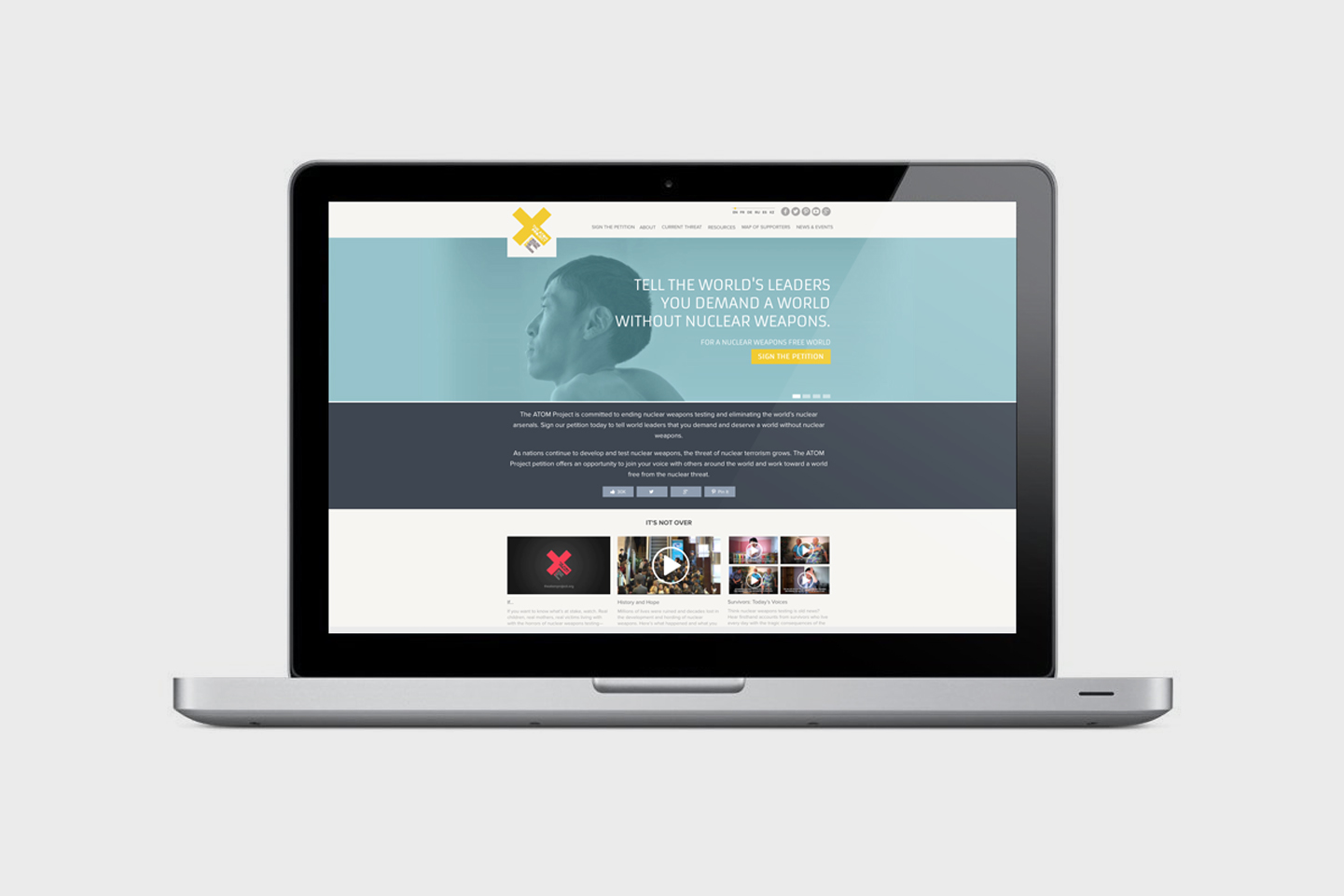
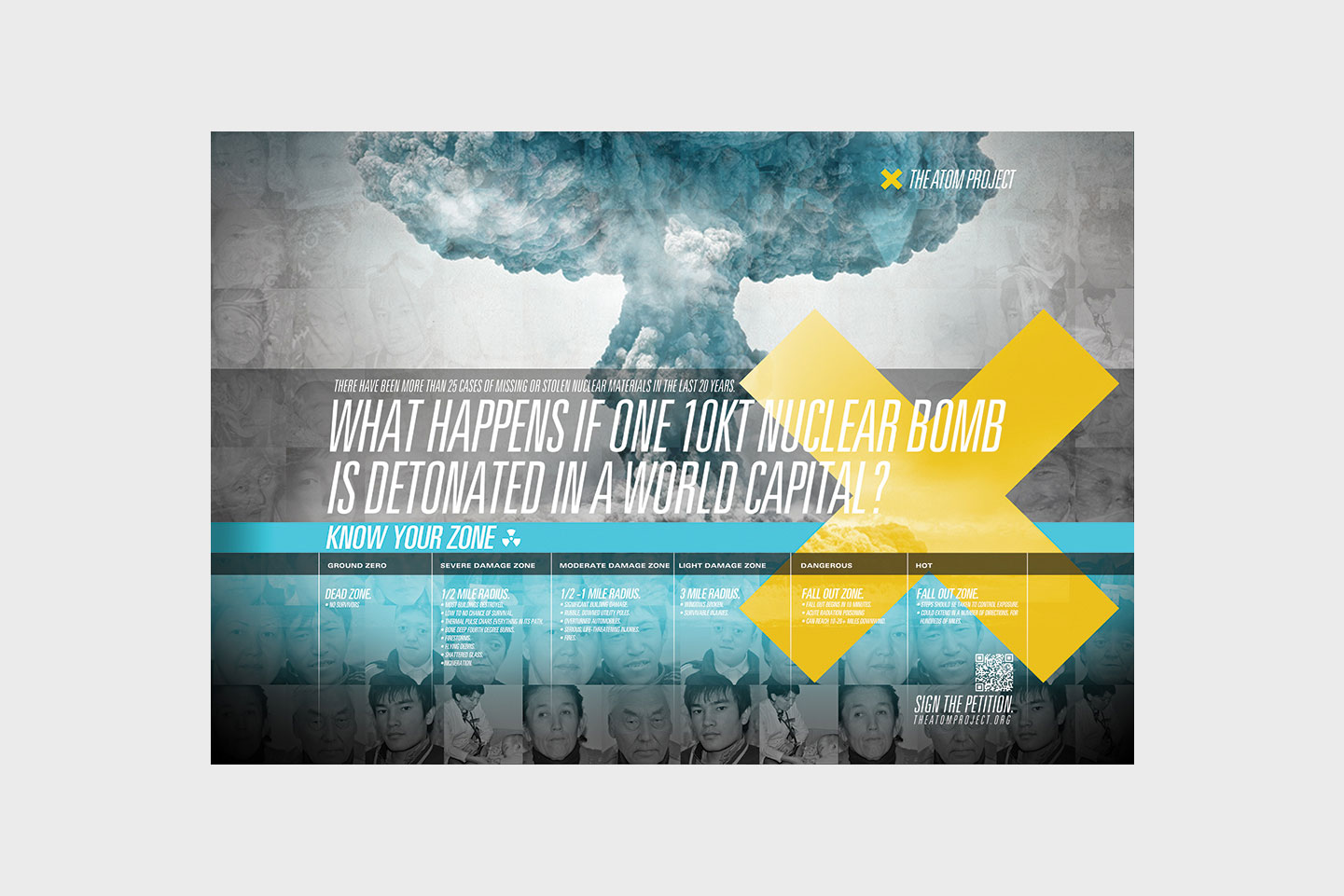
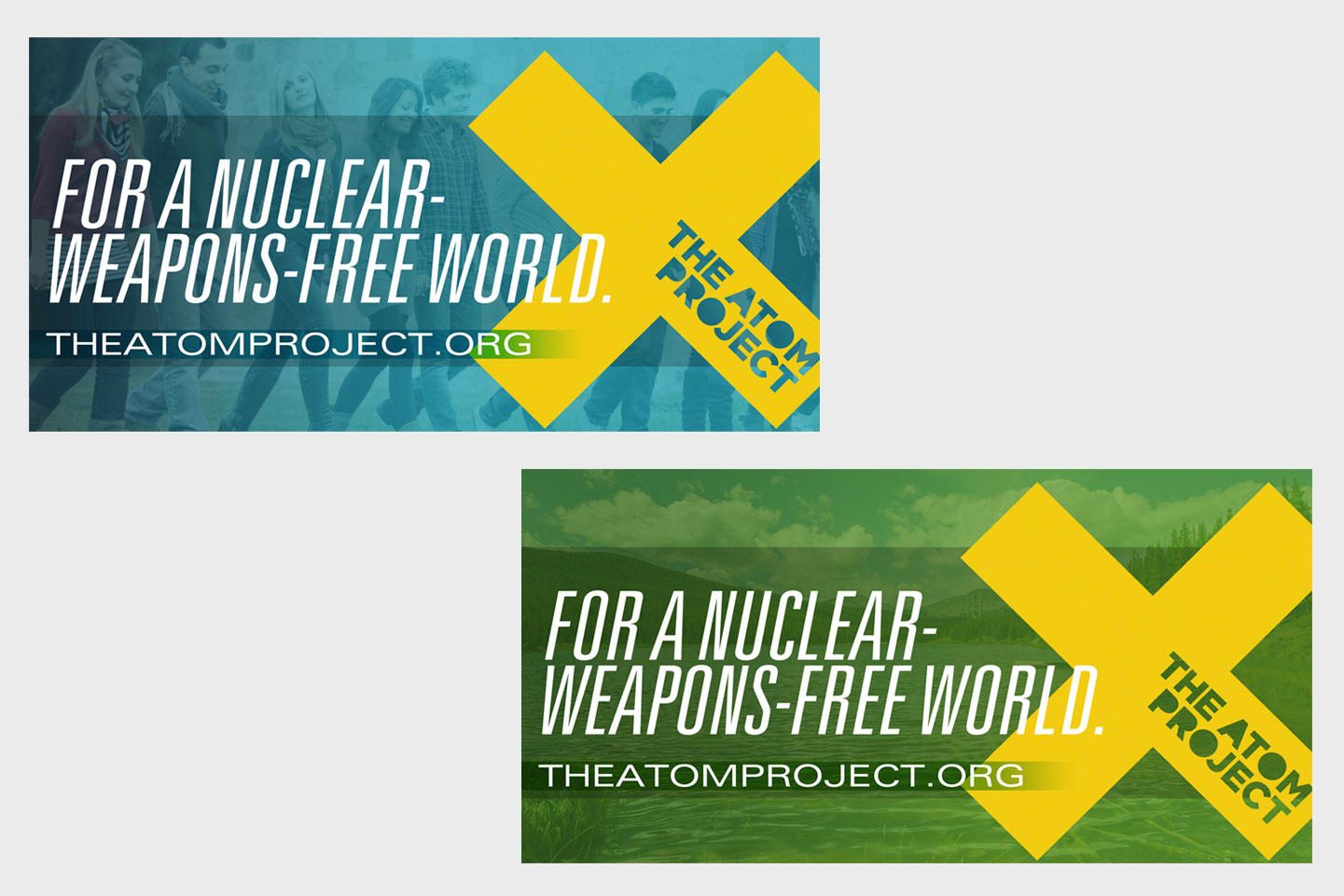
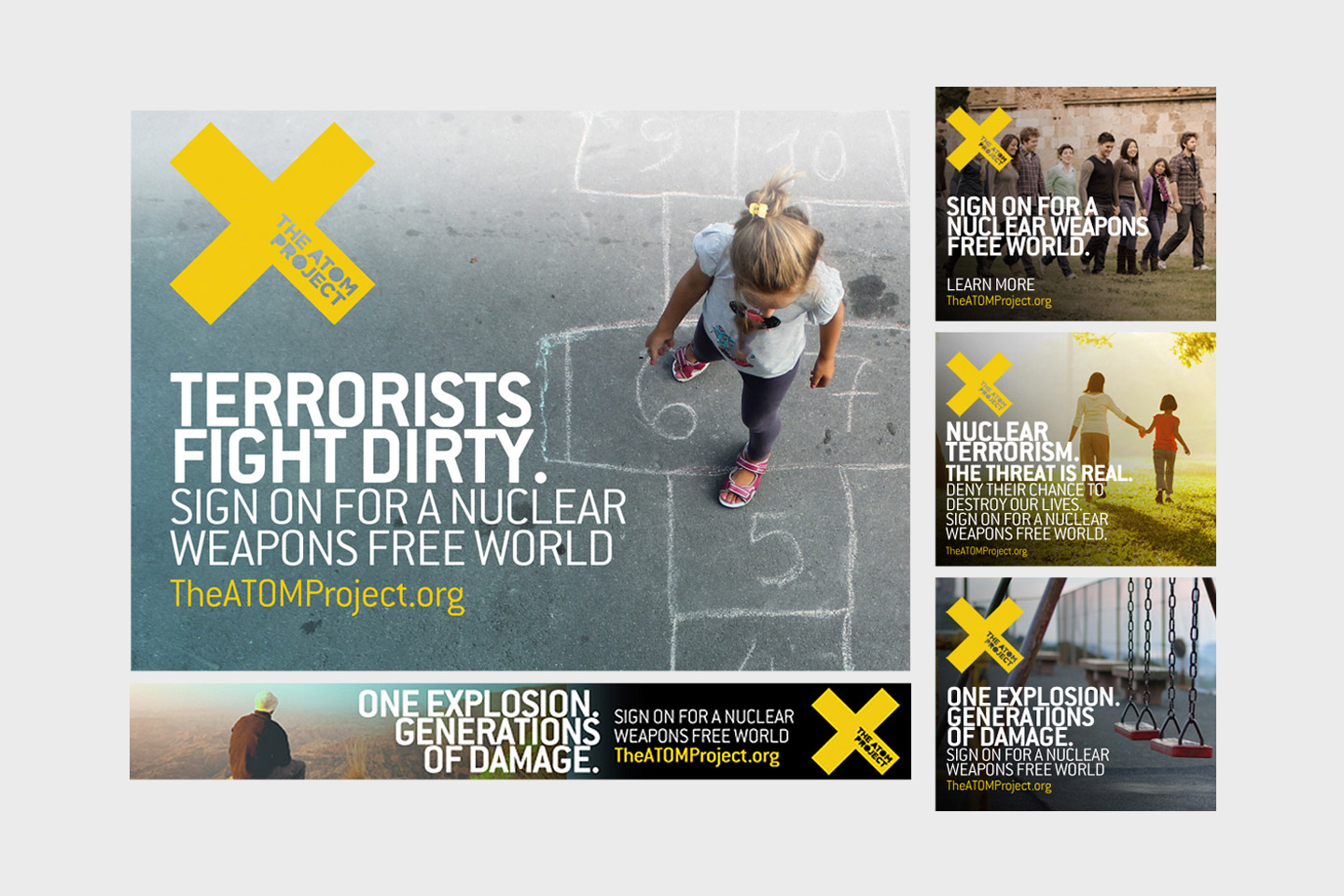
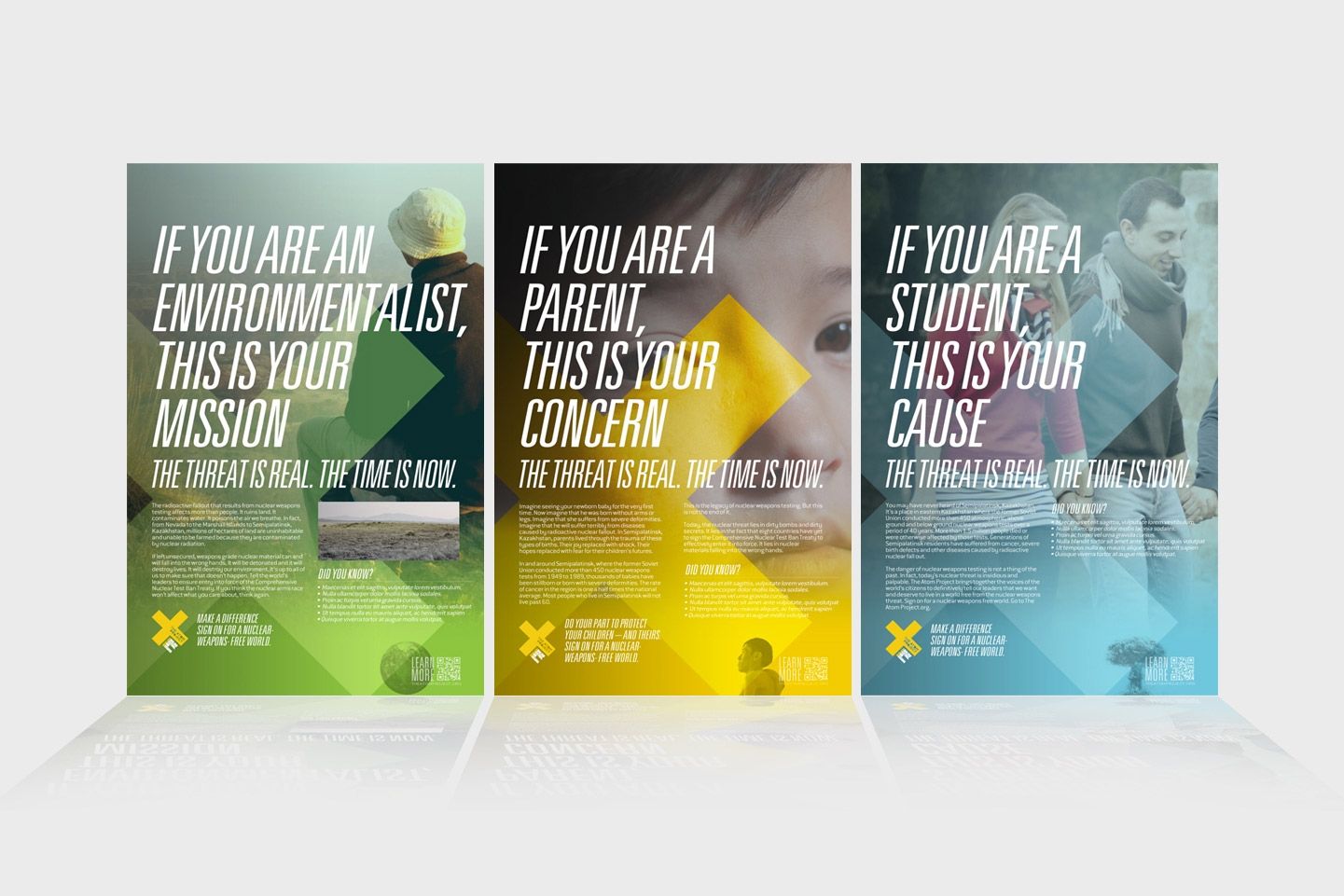
Case Study: TheATOMProject
GOVERNMENT OF KAZAKHSTAN

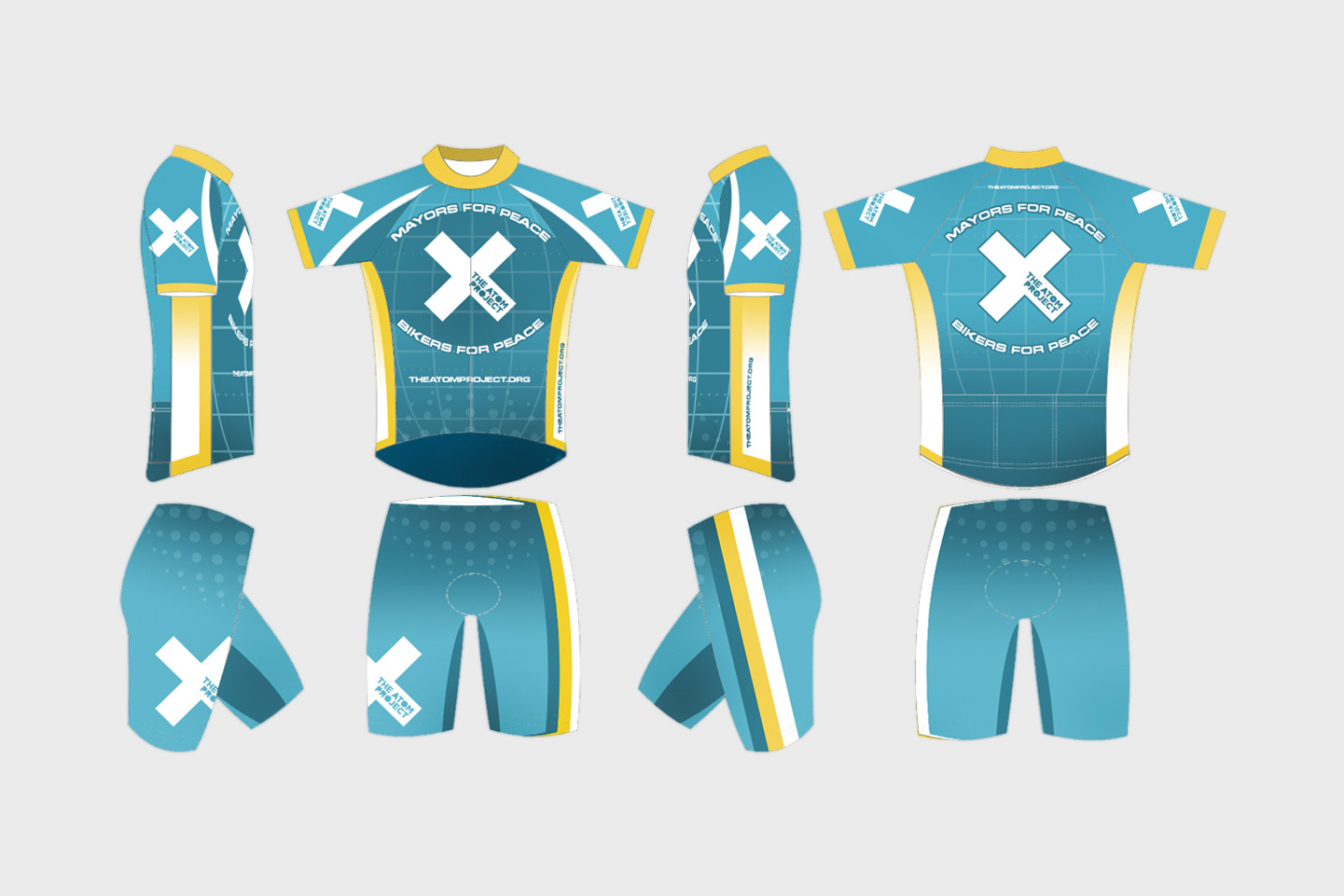
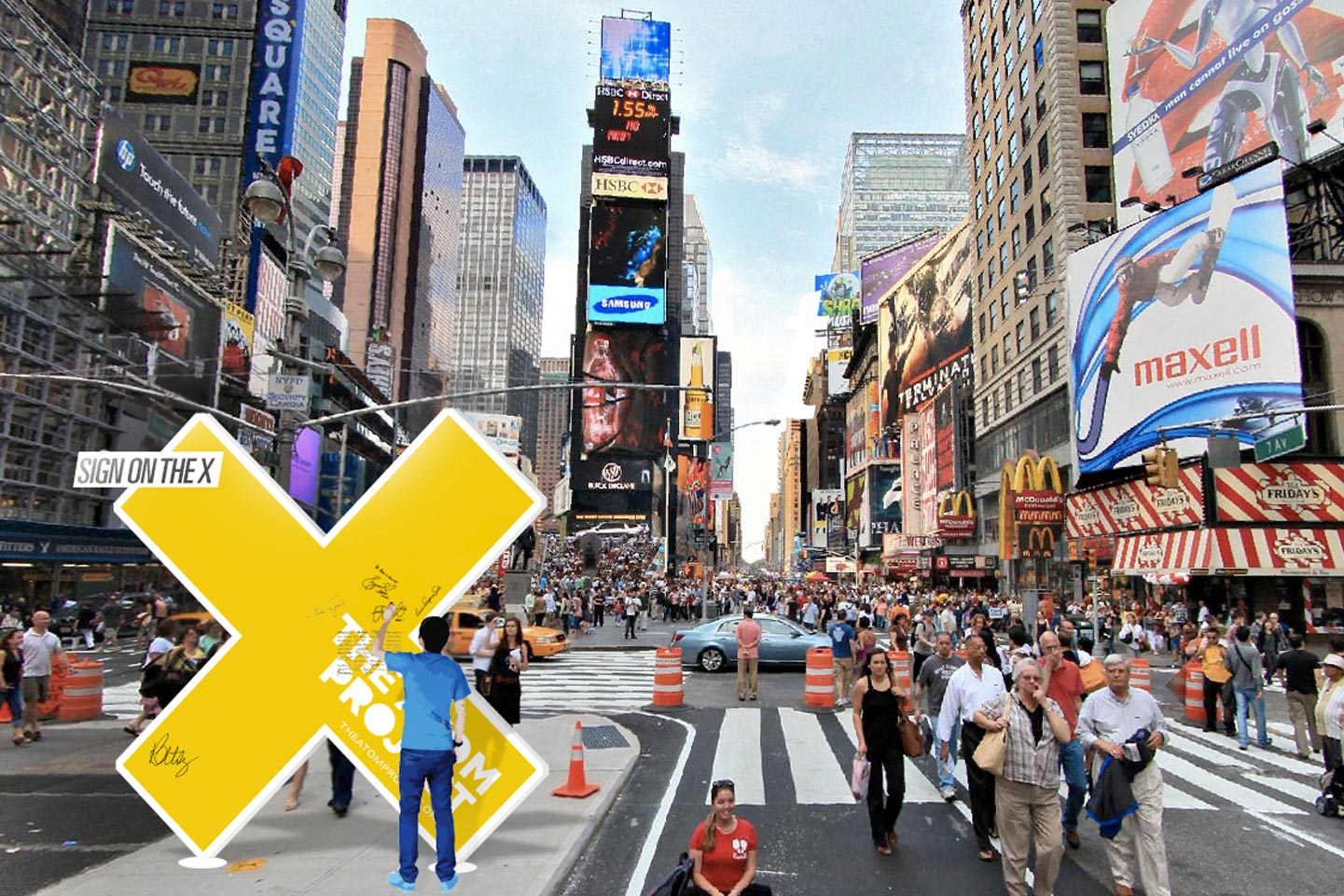
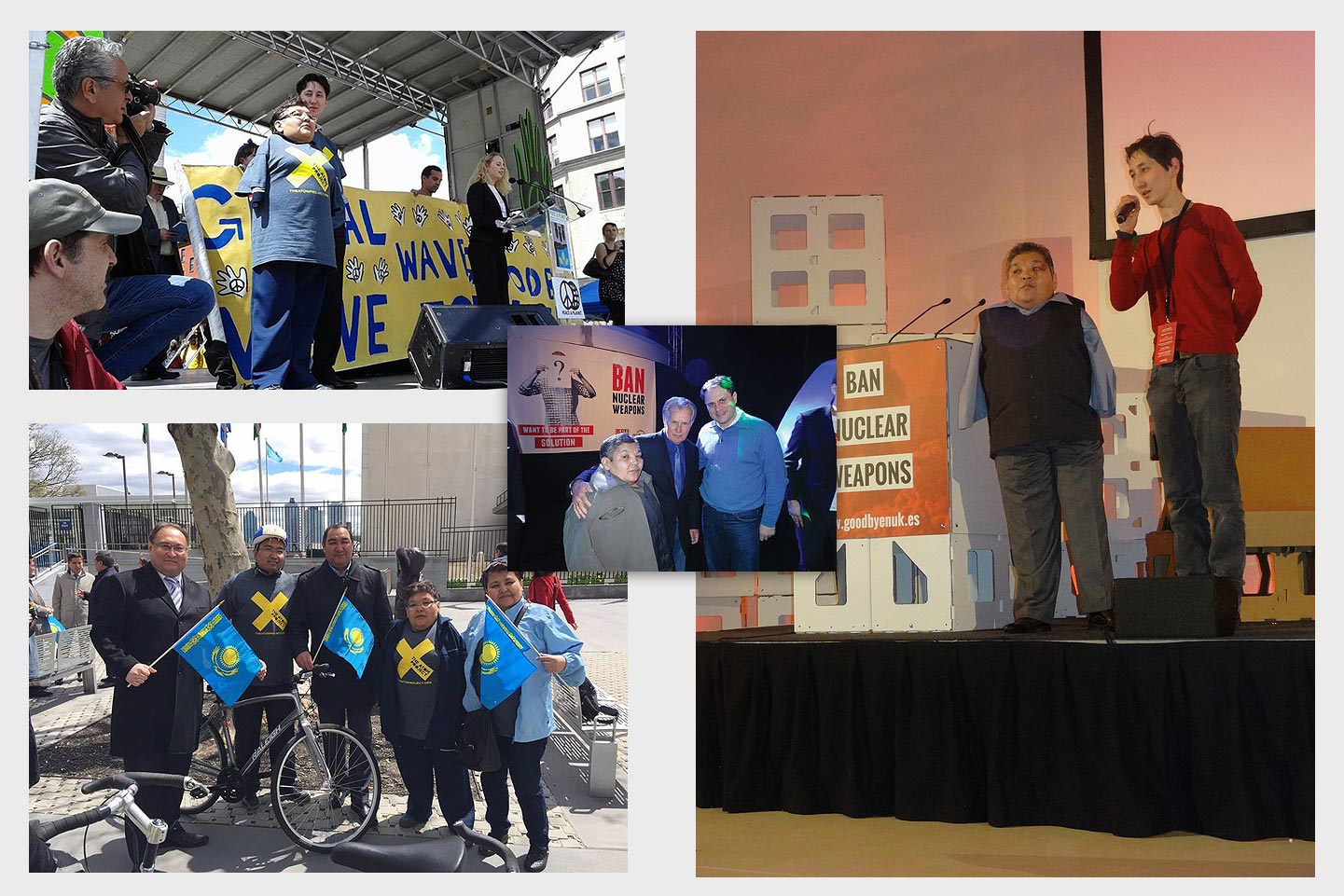
The ATOM Project is designed as a long-term, sustainable campaign with the ultimate goal of ridding the world of nuclear weapons.

theATOMproject.org


131556125

Case Study: Kazakhstan United
For Global Security
GOVERNMENT OF KAZAKHSTAN

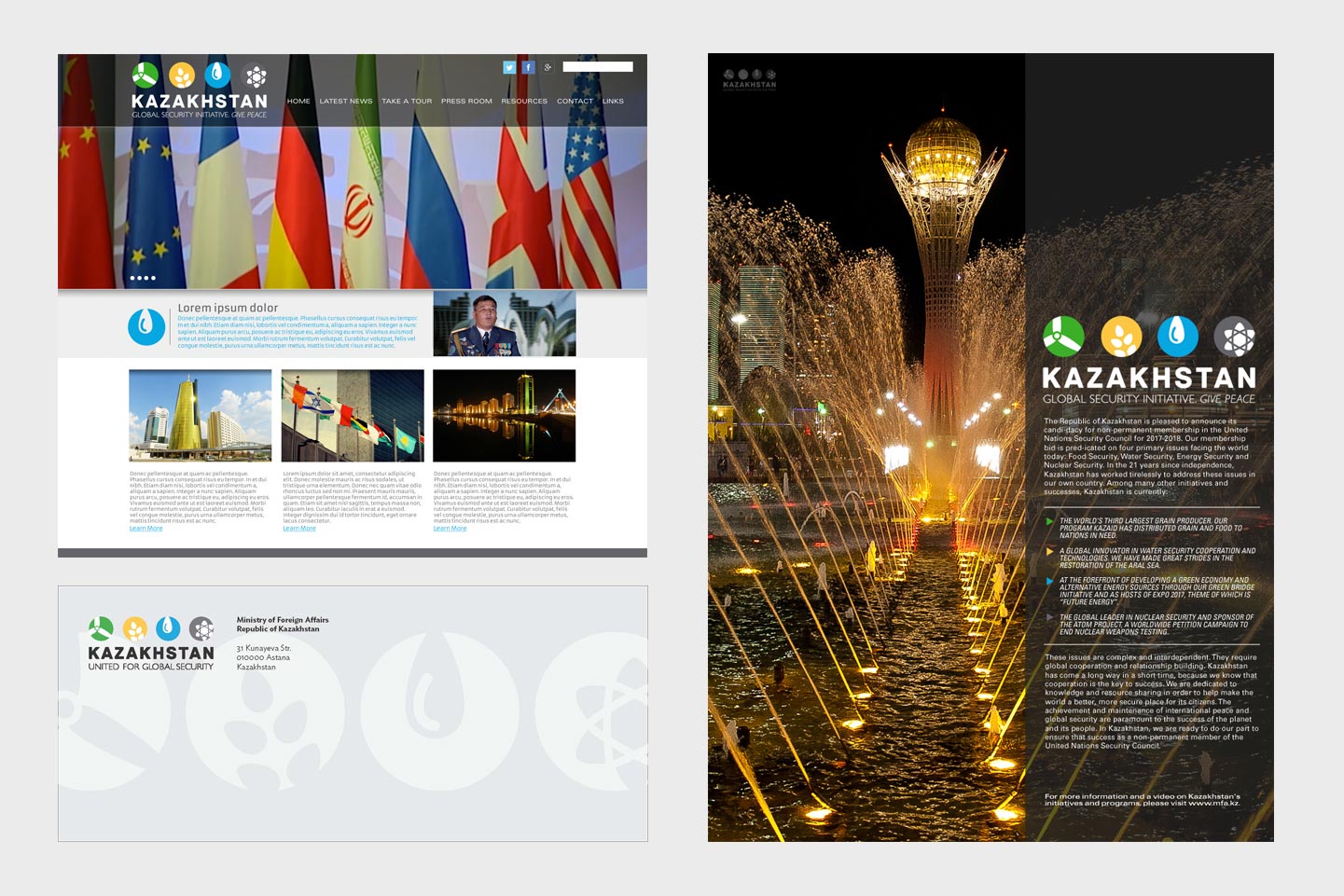
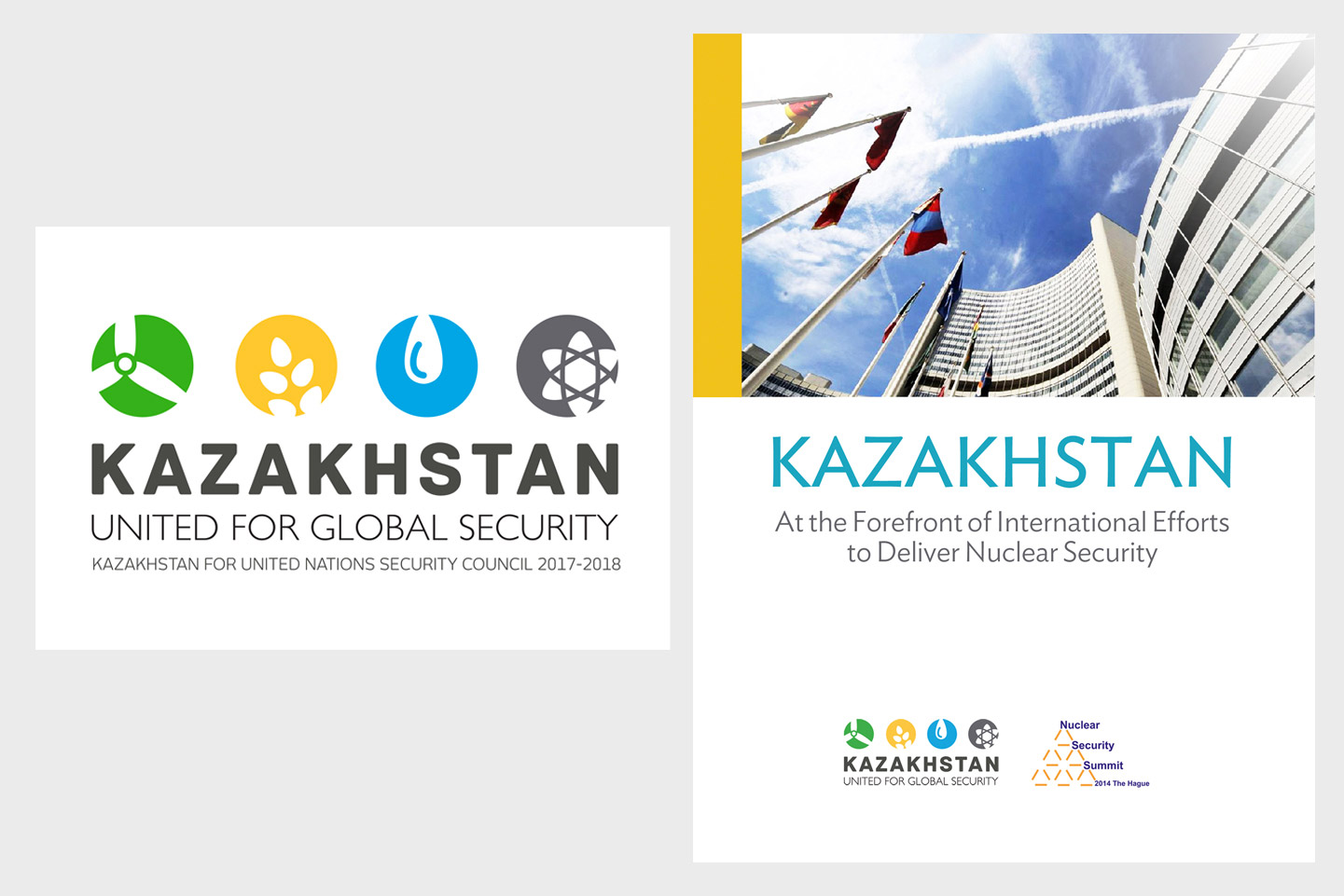
Kima was tasked with developing messaging and a visual identity for Kazakhstan’s bid to become a non-permanent member of the United Nations Security Council. Messaging focused on Kazakhstan’s contributions to global food, water, energy and nuclear security. Projects included icon design, video development, television advertising and more. Kima conducted interviews with top level government officials, including the Minister of Foreign Affairs and the UN Ambassador in New York.


131554936
131554933

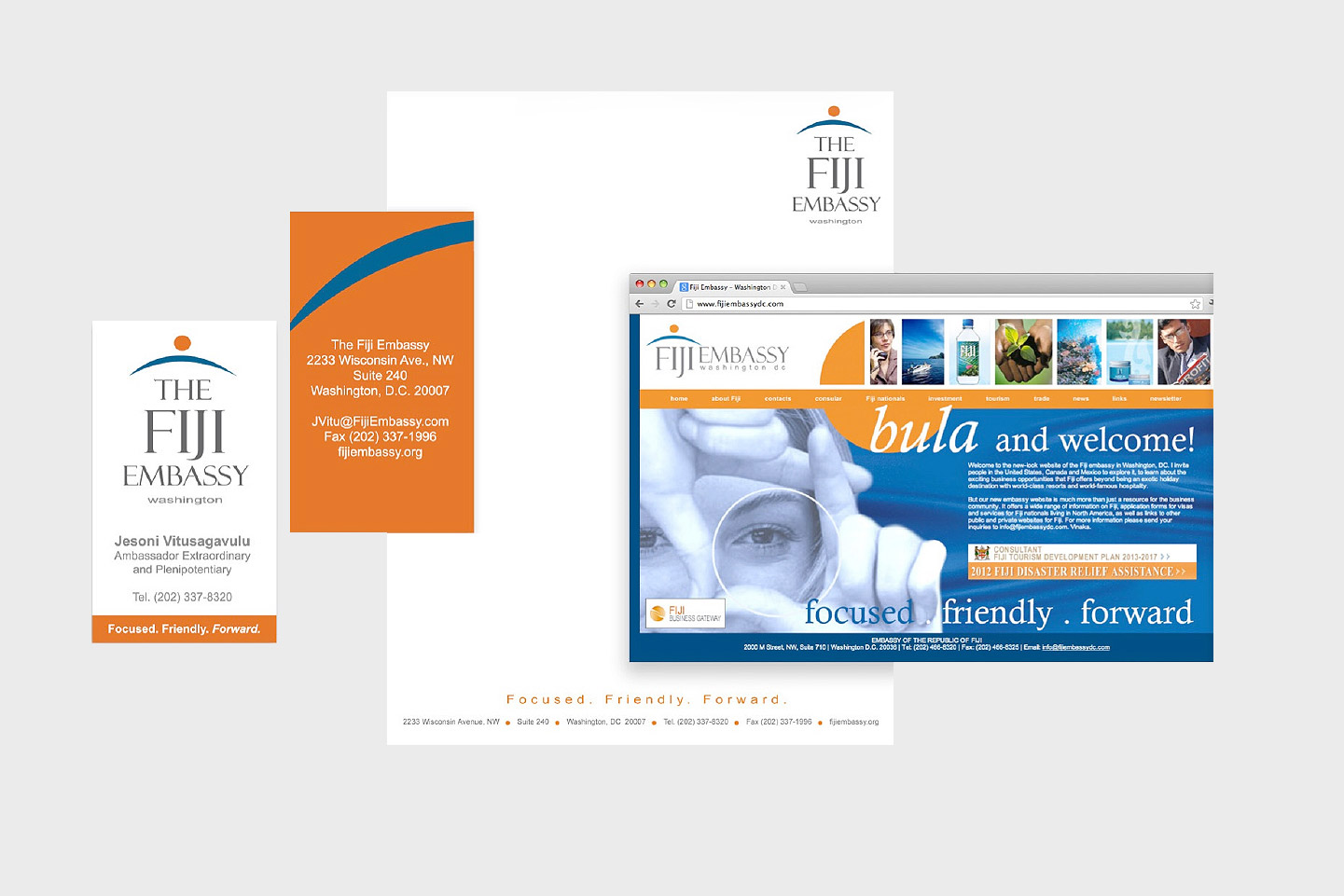
Client: Government of Fiji

Kima worked with the Embassy of Fiji to develop a brand identity that reflected the country’s heart and soul.


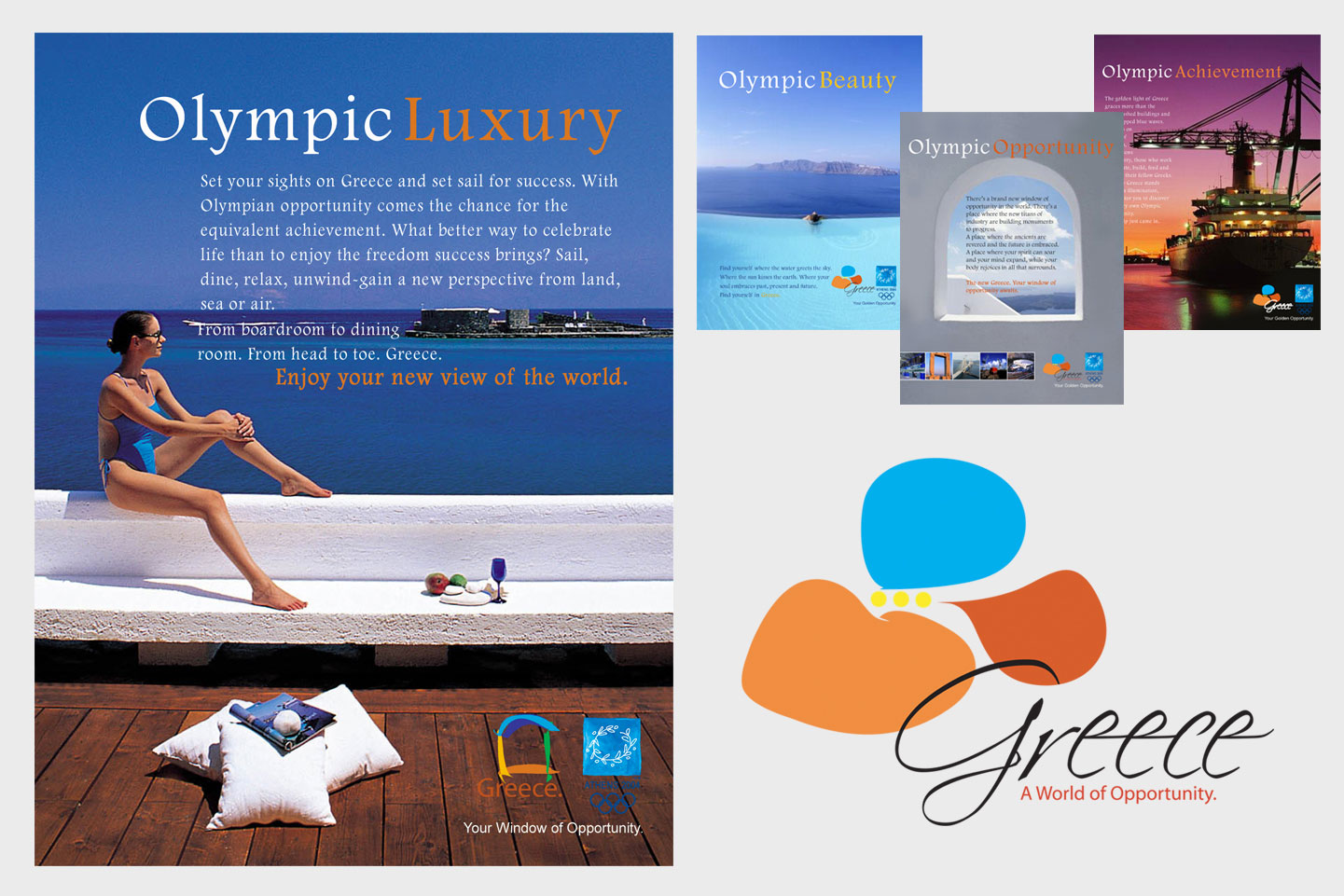
Client: Government of Greece

Kima was asked to design a logo for Greece, as well as a series of print ads surrounding the country’s bid for the Olympics.


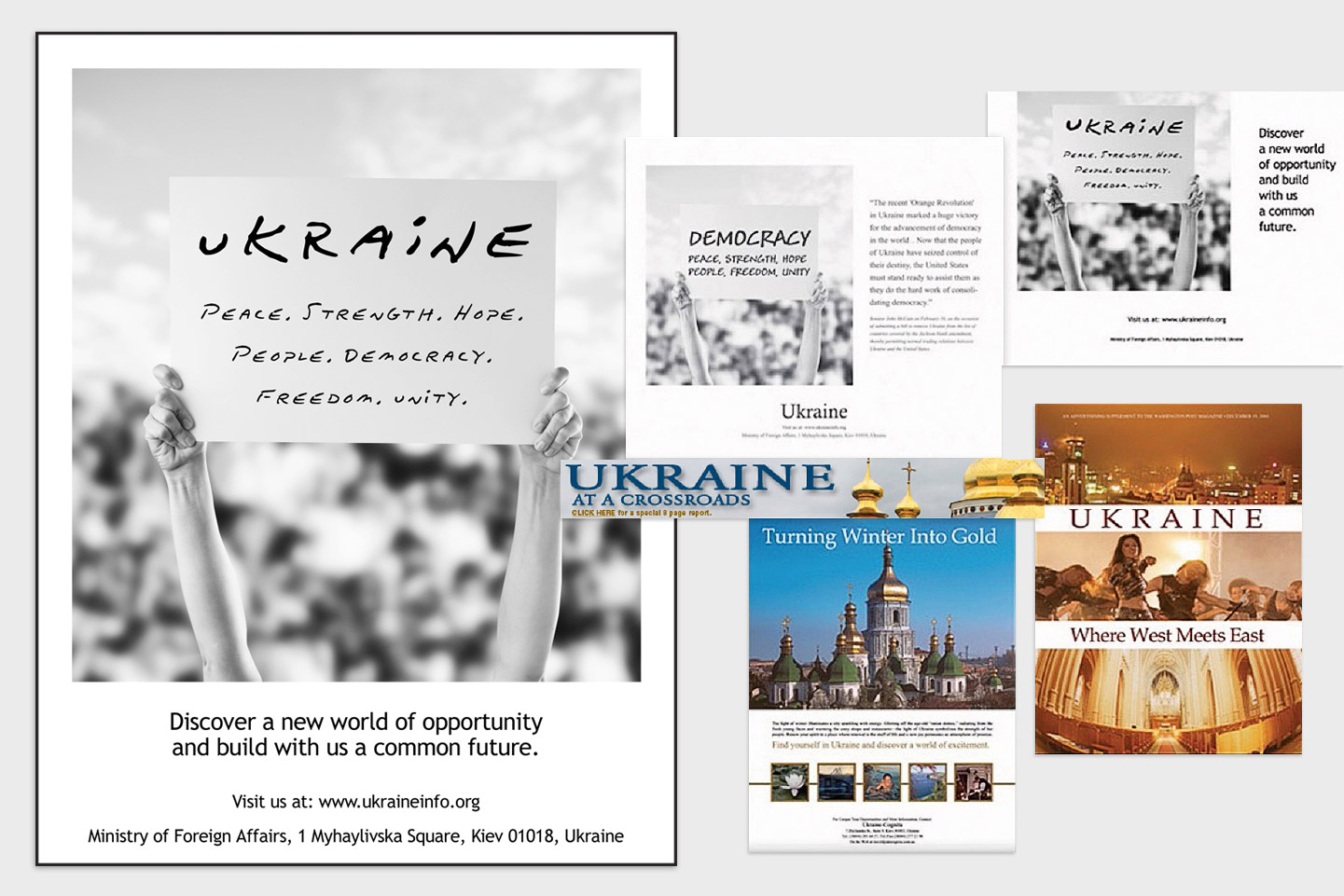
Client: Government of Ukraine

Kima worked with Ukraine’s government on brand and image identity development initiatives before the Orange Revolution. We developed a series of advertising and special sections for the nation.


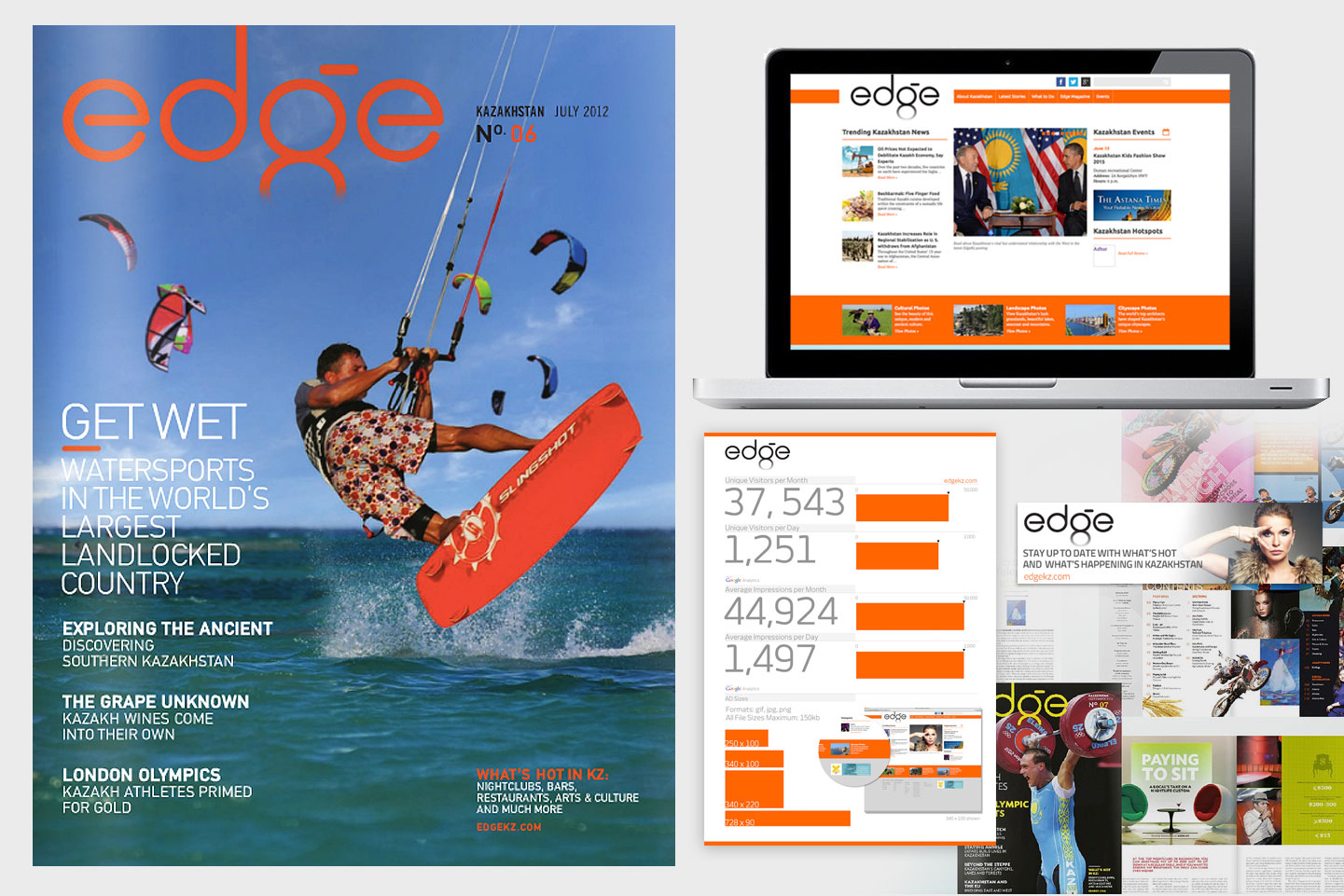
Client: Government of Kazakhstan / Edge

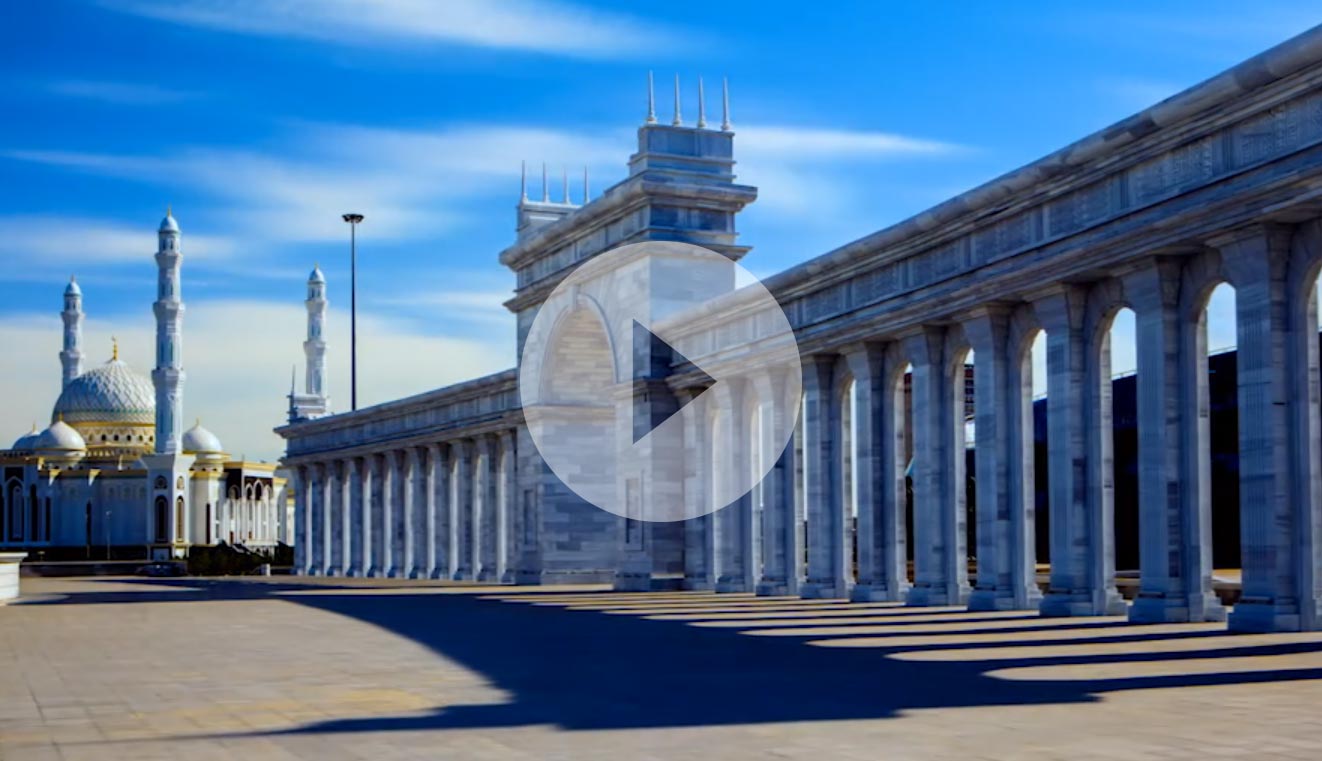
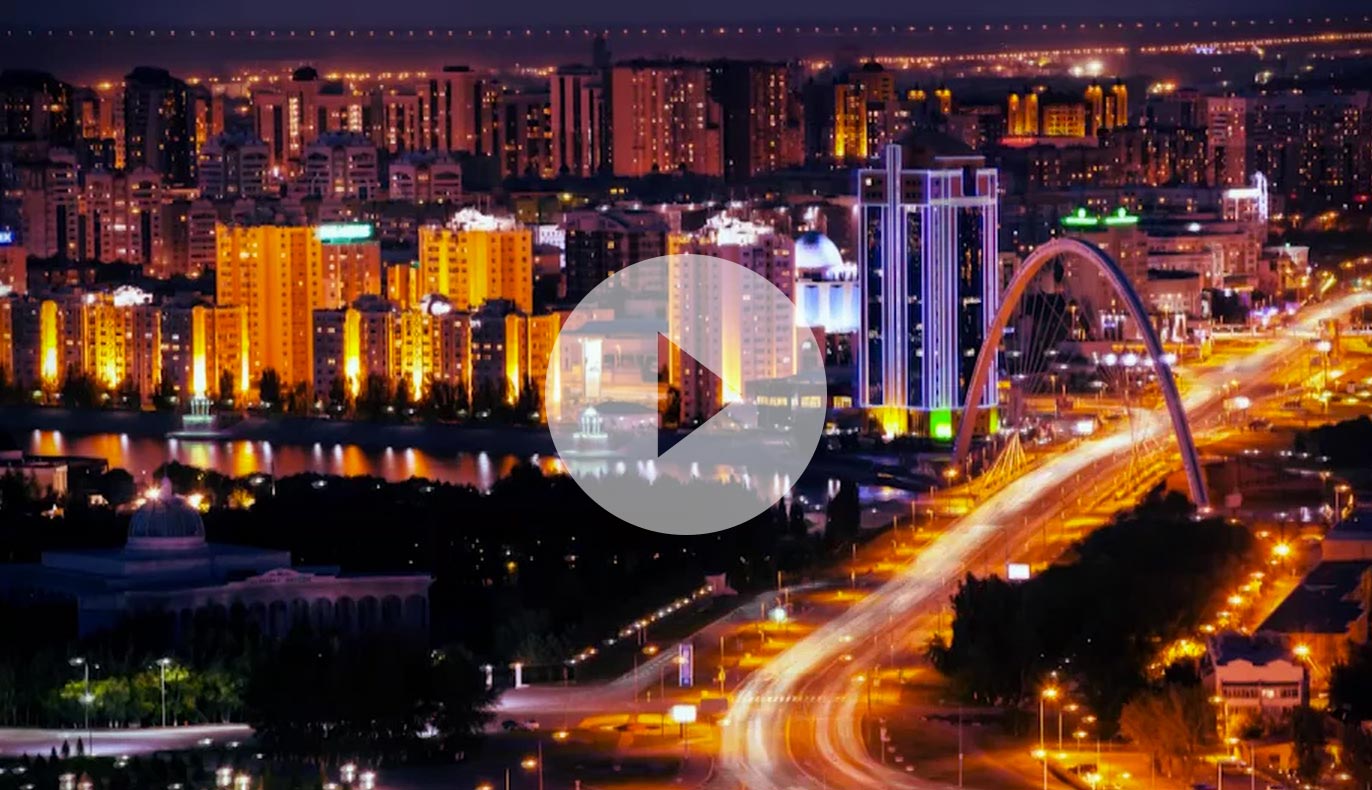
Kima has been working with the Kazakh Government for several years to help position the nation on the global stage as the stable center of Central Asia.

Conceived as a dedicated marketing tool for Kazakhstan, Edge magazine has quickly taken on the role as the leading source of information about what’s going on in Kazakhstan and its two leading cities, Astana and Almaty.

Kima conceived, developed, designs, writes and produces the magazine.


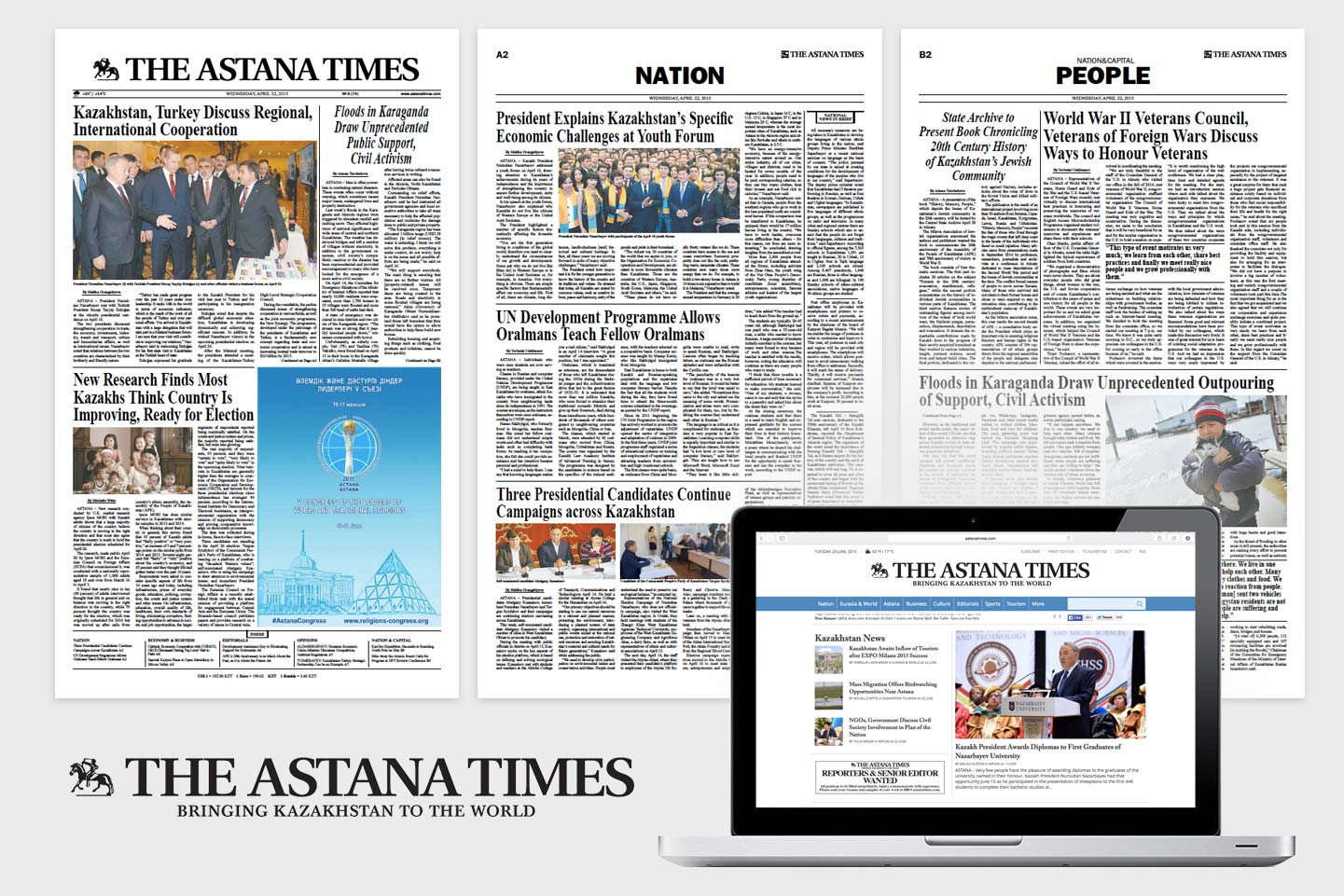
Client: Government of Kazakhstan /
Astana Times

Kima Communications was tasked with creating, designing and publishing the Astana Times, which is the premier English Language newspaper in Kazakhstan and Central Asia.


Client: Ministry of Foreign Affairs, Kazakhstan

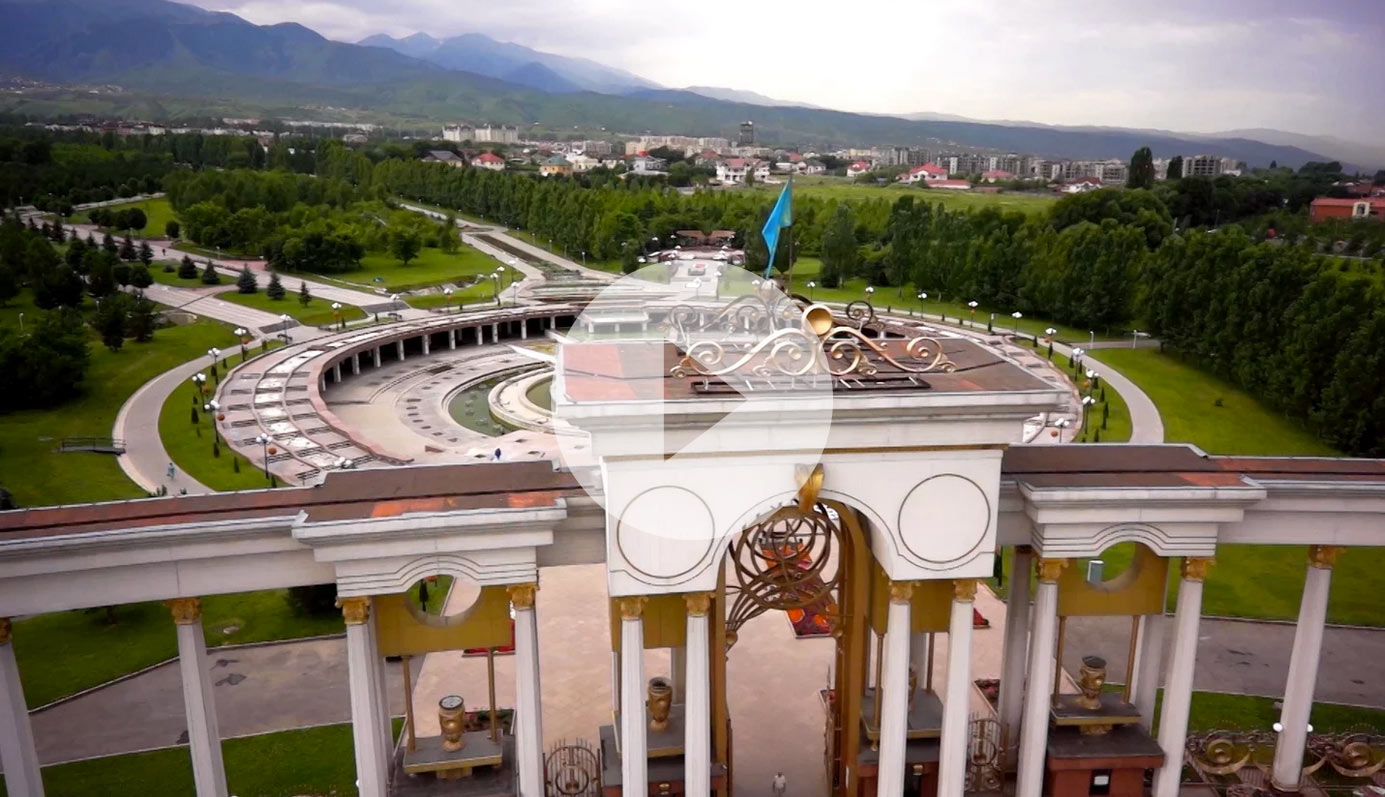
The Ministry of Foreign Affairs in Kazakhstan calls on Kima to produce brand awareness videos and commercials to support various international initiatives and to raise the level of awareness of Kazakhstan’s position as the modern, stable leader in Central Asia.


131560303

Client: Congress of World
and Traditional Religions

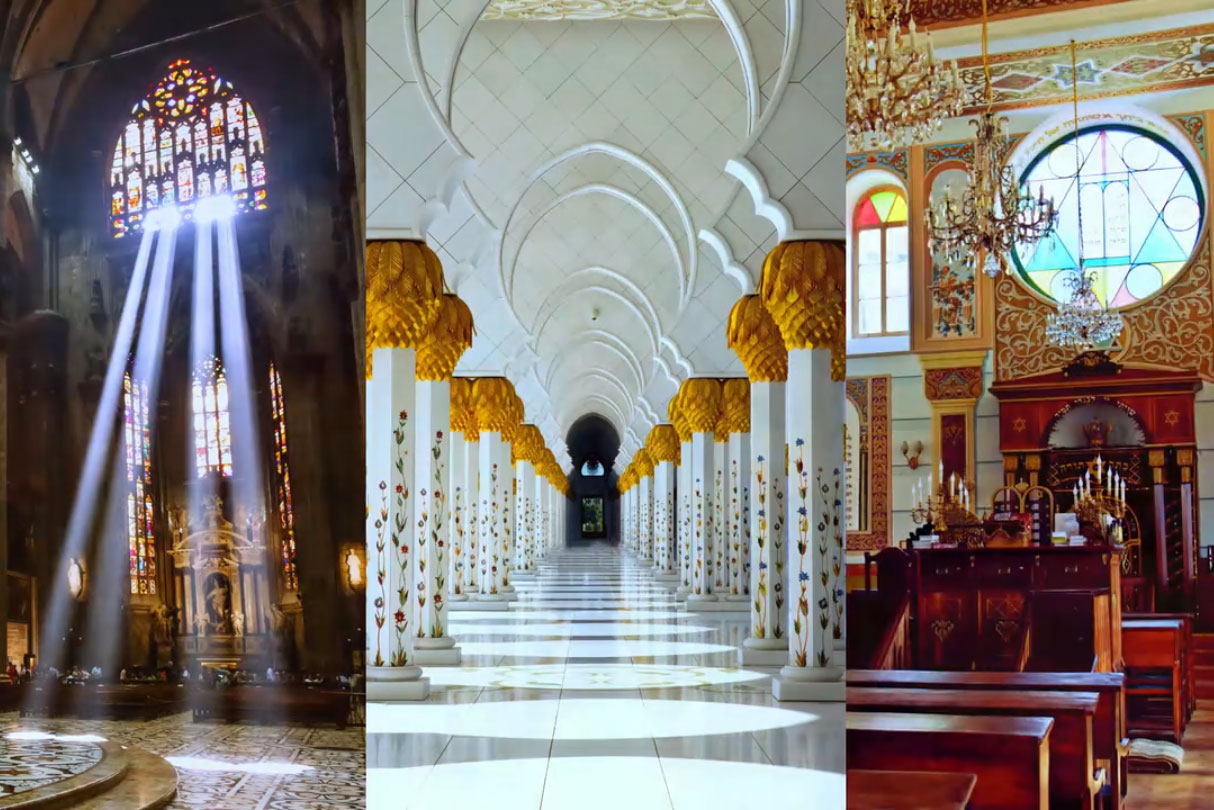
The Congress of World and Traditional Religions needed a TV commercial to support its yearly conference. Kima Communications conceived and produced and procured media for an ad that ran on various international channels, including the BBC, CNN and Euronews.


131554930

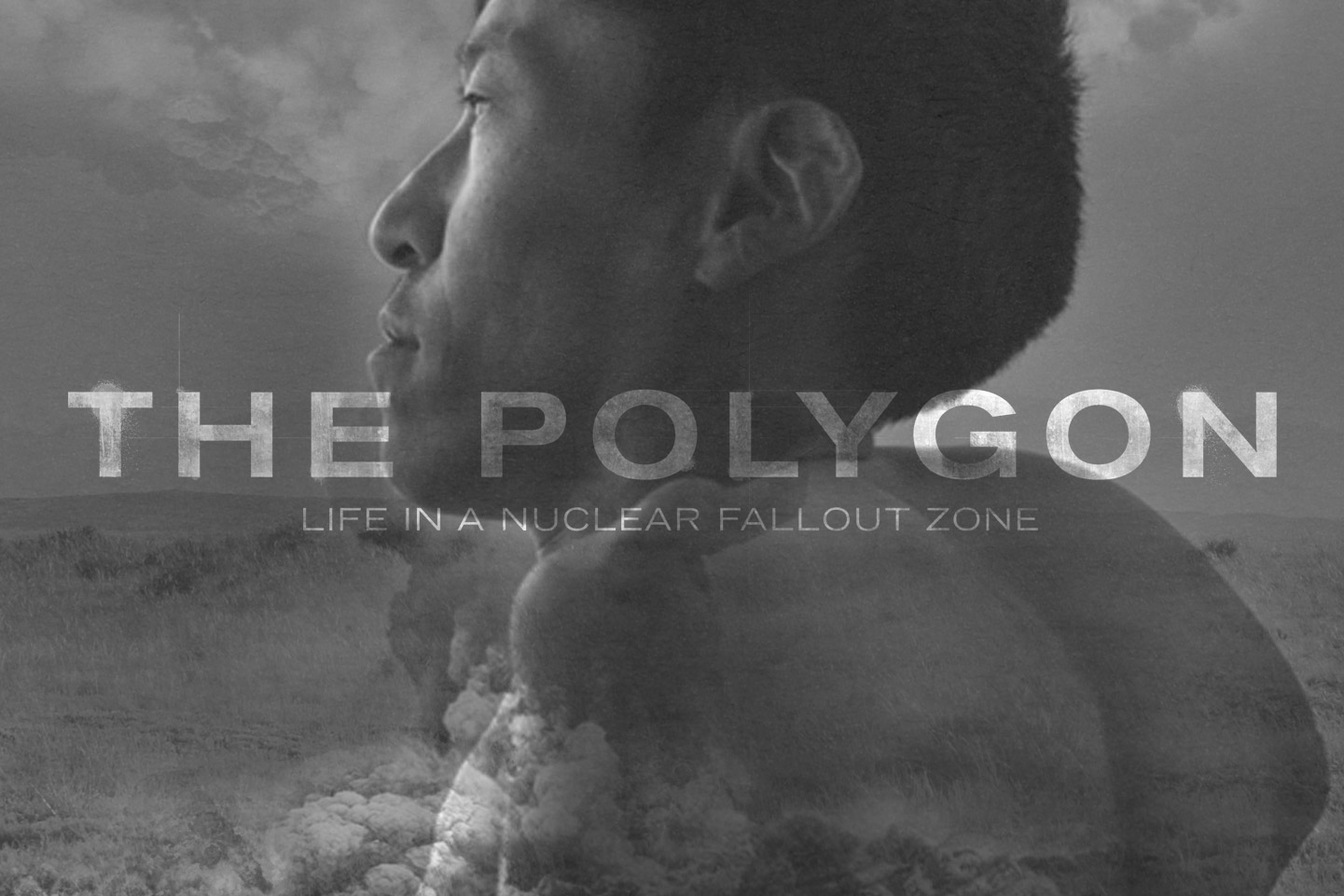
The Polygon

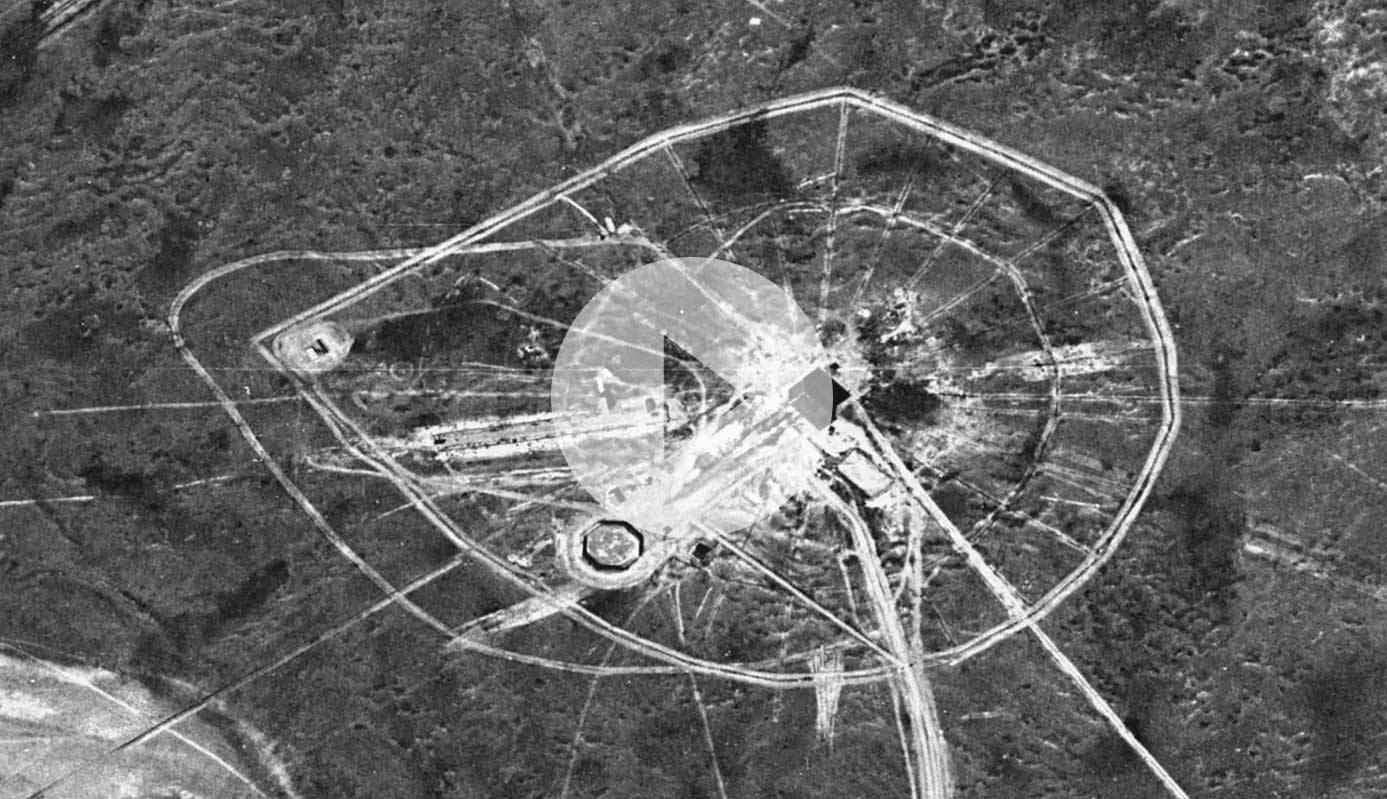
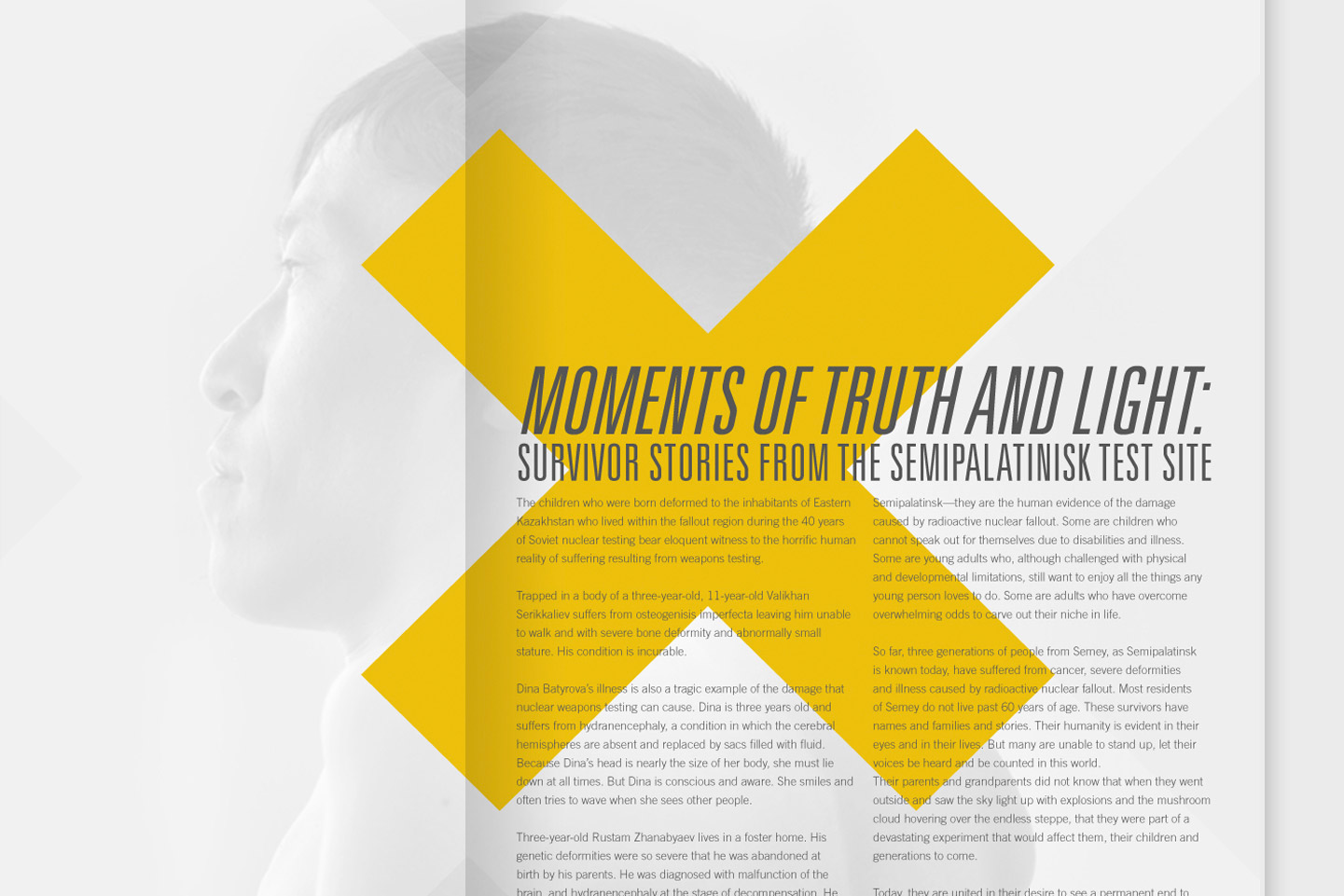
Kima is developing a full-length feature film about Semey (formerly Semipalatinsk), Kazakhstan. Semey suffered massive human and environmental damage due to the Soviet Nuclear Weapons Testing Program. From 1949 until 1989, 456 nuclear weapons tests were conducted at the site. The people of Semey, as the city is now known, were not asked, did not know, and certainly had no idea of what the implications would be in regard to these tests. This is their story.


131554923

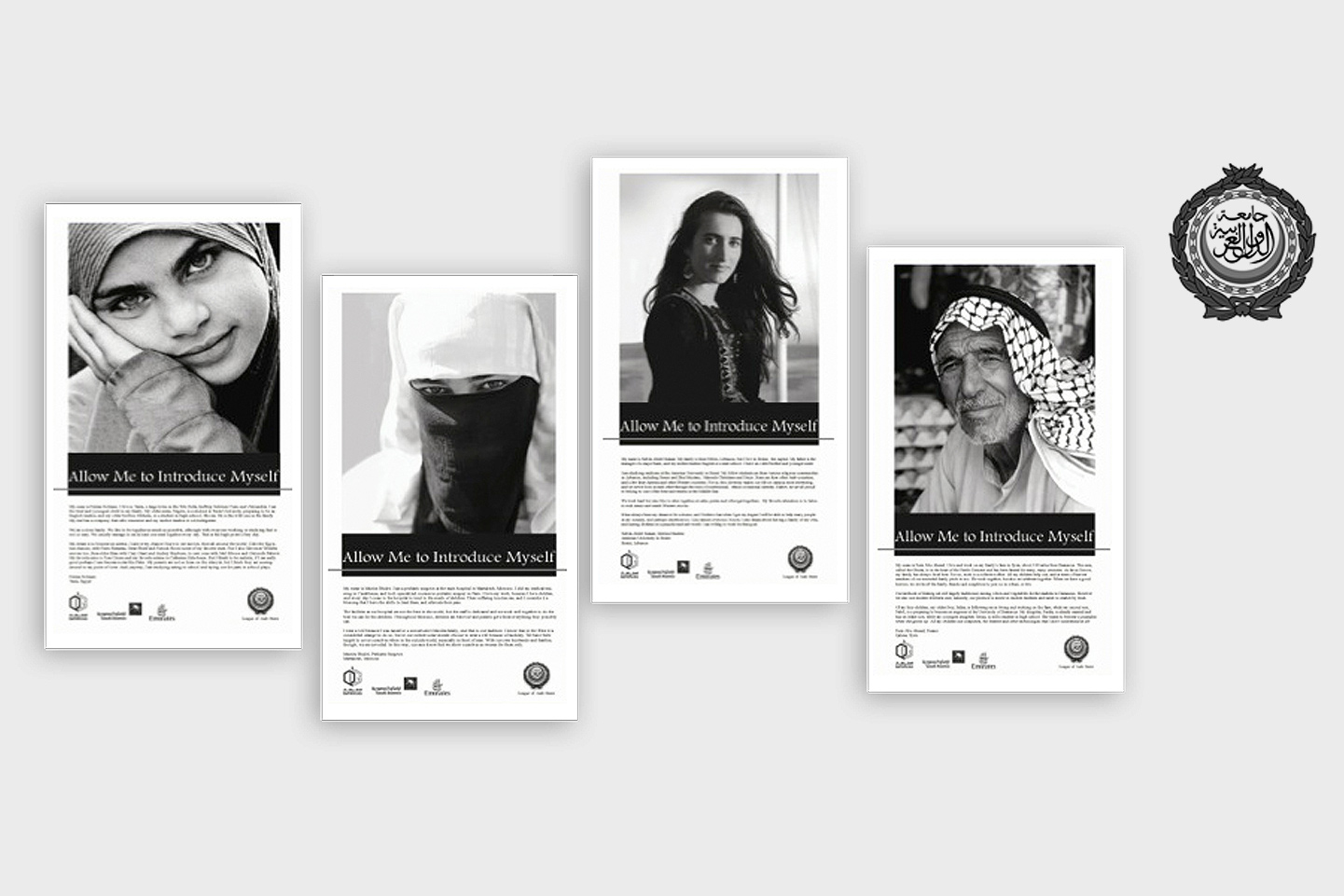
Client: The Arab League

This campaign was designed to “humanize” Middle East nationals in the aftermath of 911. At the time, and to some extent today, there were misconceptions of who they are and what they represent given media hype and visual representation. Each individual pictured is a real person whose image does not tell their whole story. For example, one of the women was a doctor in Gaza. The Arab League was interested in overcoming negative stereotypes of the Arab world in the West.